Potential energy, impact, impact energy, vector mechanics, damage mechanics and igneous rocks

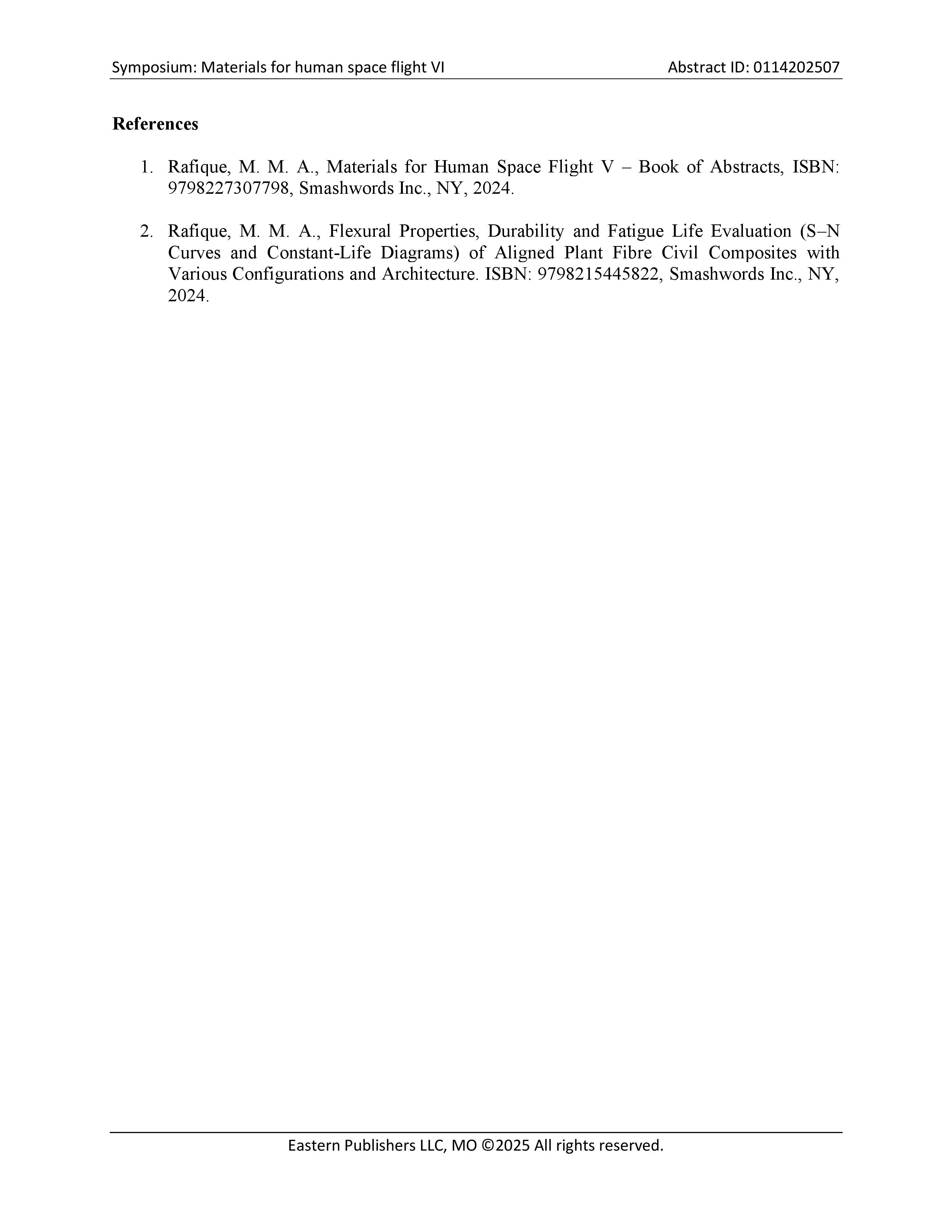
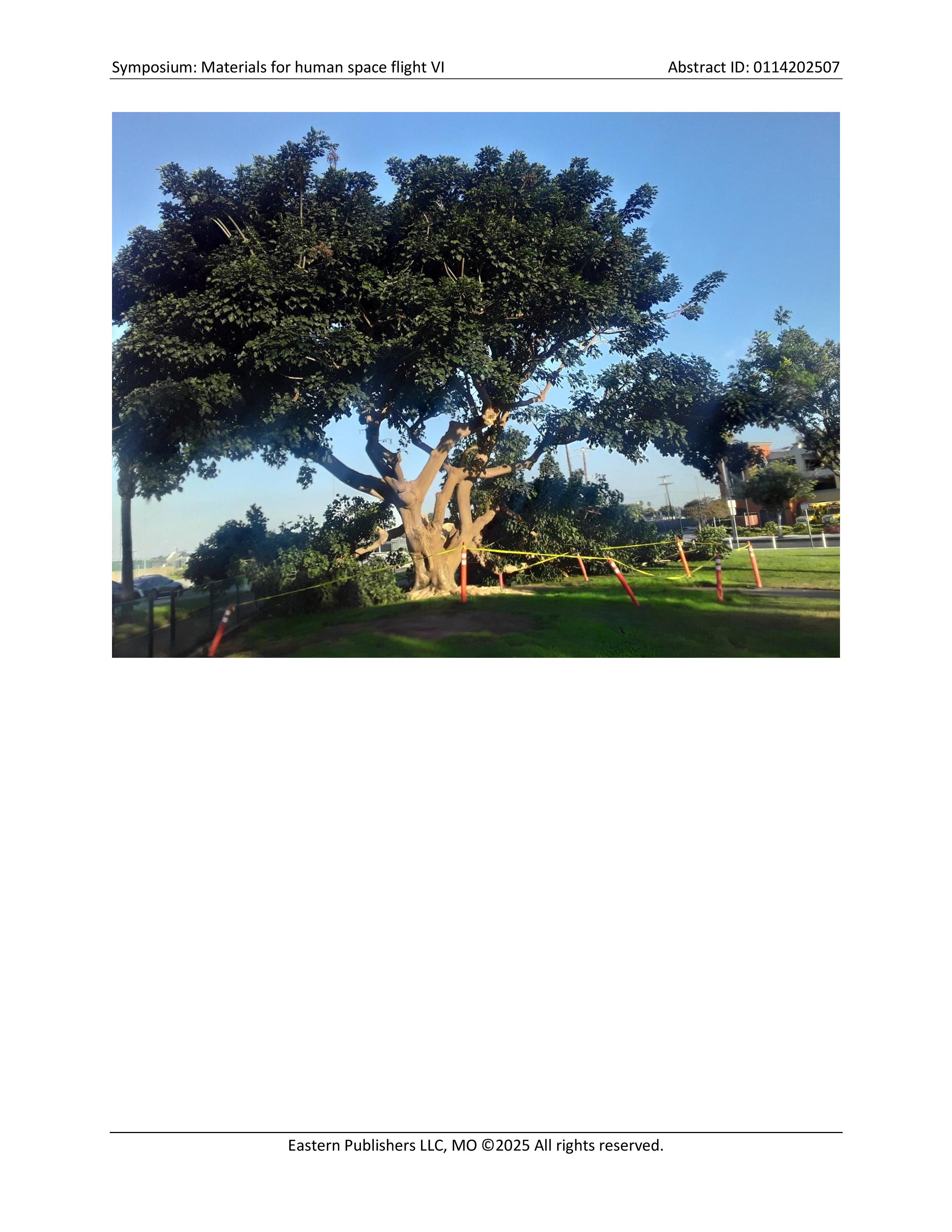
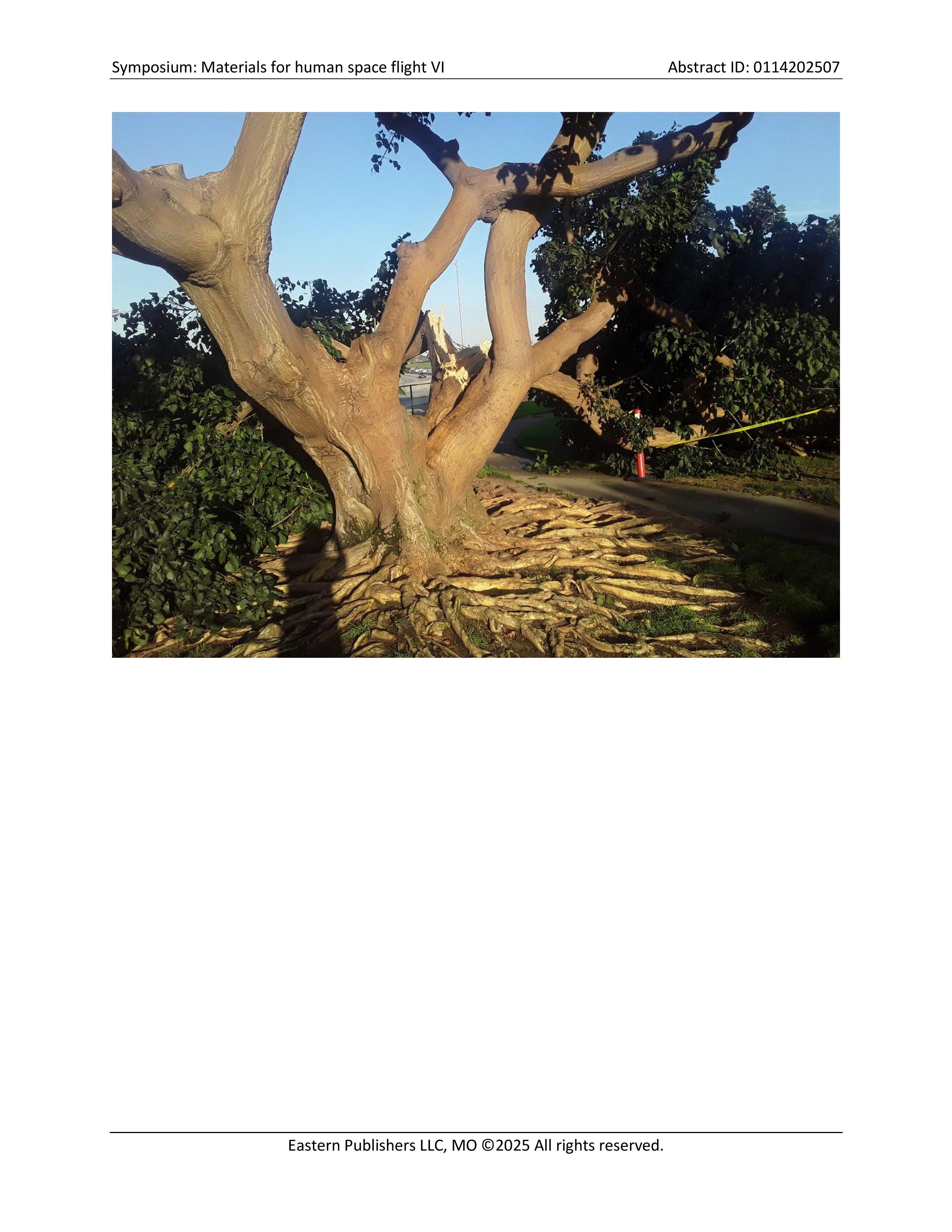
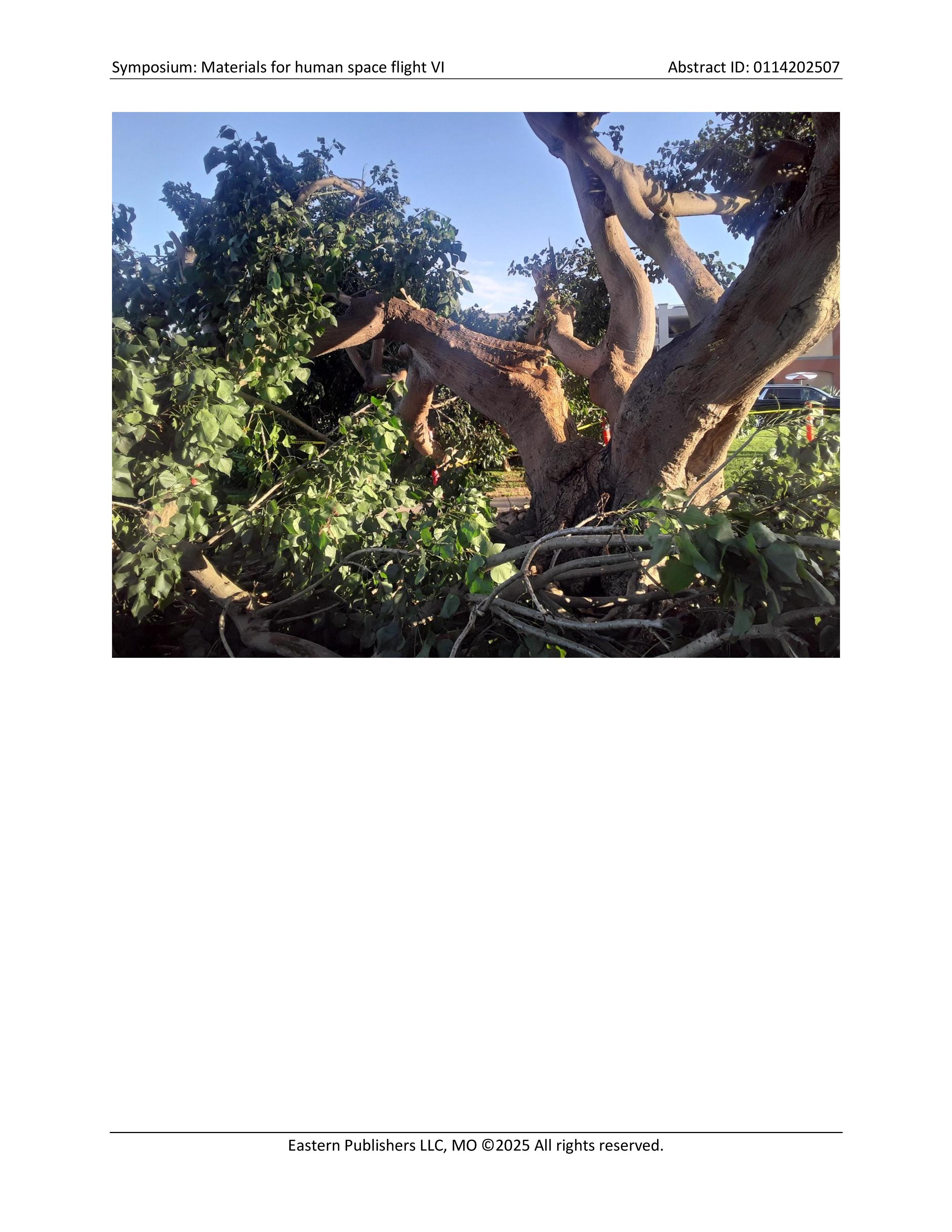
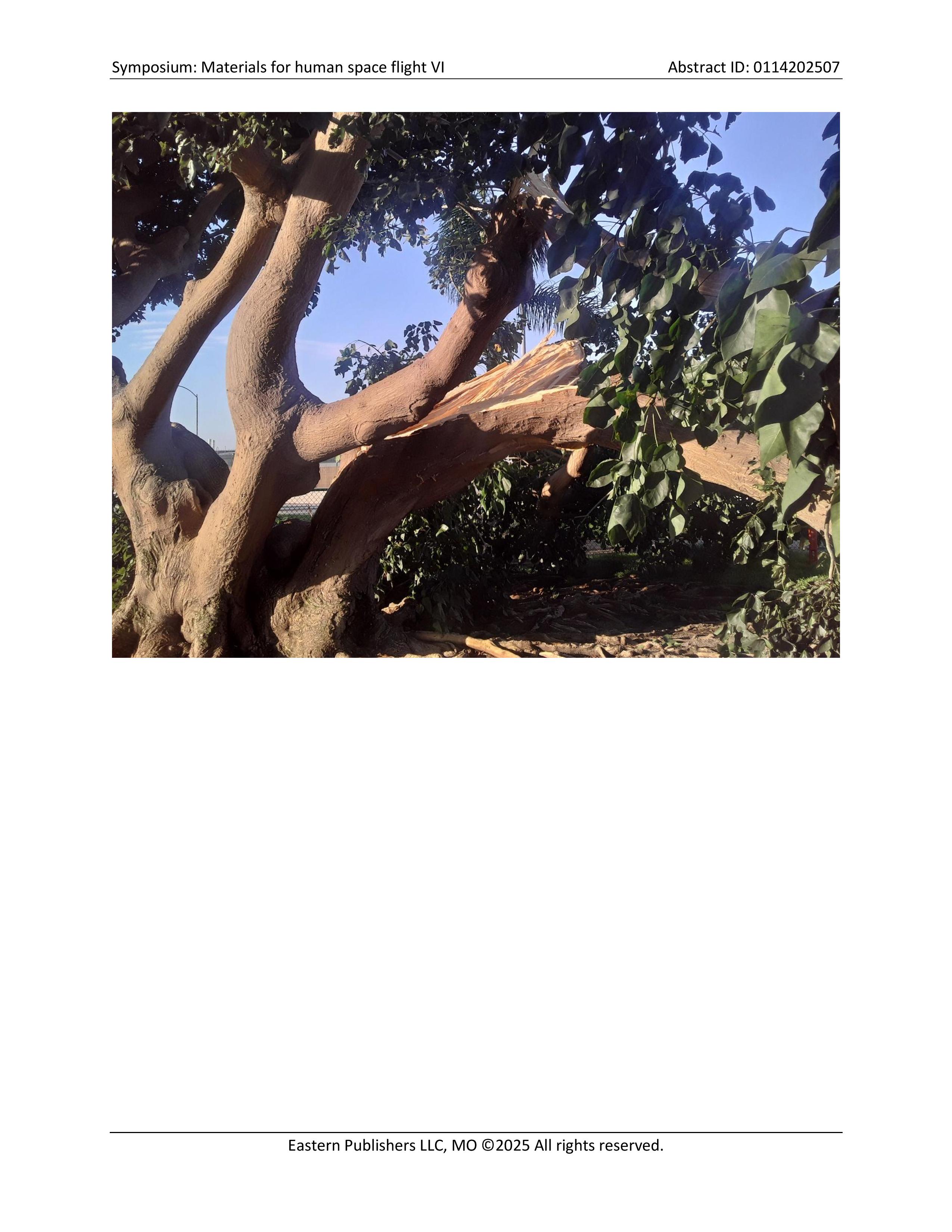
It is well known that an object dropped from a height constitutes energy known as potential energy (P.E) represented by product of its mass (m) (variable), height (h) (variable) and gravitational constant (g). This may be used in various forms such as impact energy. It can cause impact and damage in various structures such as metals, alloys, concrete, steel reinforced concrete, polymers, composites, wood and rocks which is of interest. However, its full effect is a function of various other factors. such as medium in which object is dropped, its nature (air, gas(es), vacuum), amount, viscosity, temperature, form (static or dynamic), direction of operation, angle of drop and shape of object. This in turn governs its effectiveness to act as dart and cause impact, accumulate and release impact energy, disperse it in vectors and cause failure, fracture and damage (brittle, ductile, mix mode, fragmentation). This is particularly important and valuable in determining projectile shape and dimensions. Underlying material to be tested and its geometrical dimensions, configuration and existance (natural or artificial) also plays an important part. Both mass (m) and height (h) becomes ineffective if improperly selected contingent with nature of material to be tested and atmospheric conditions. This is studied in detail.

role of air density ratio, fatigue and dual multi variant manufacturer in engine design, operation, maintenance and performance – A case study of boeing 787 – 8

As recent fatal accident of air india 171 unfolding, it is becoming more clearer that said aircrafts was not new. It had ~ 8000 take off and landings and had lodged > 41,000 flight hours. It had completed 19 flights in current month (June) excluding any from Ahmadabad to any international destination. It is safe to assume that it was its 20th flight in one month and first outbound from Ahmadabad to any International destination (London Gatwick) (Long haul flight with full passenger and fuel load (~ 5 Ton)). It is also unknown that how many times this aircraft have been to, or from Ahmadbad to, or from London previously. It is also known that it was equipped with two engines one General Electric GEnx-1B and one Rolls Royce Trent 1000 (Extremely rare and unsafe Engineering practice – not recomended). Right Engine was new (make unknown), and left was due for annual on site factory maintenance in December. It is not known after how many cycles, it is advisable to replace an engine with a brand newer one on an old aging aircraft? and was it plane’s first replacement? This creates, and should create a lot of stresses (nature, type and amount) on existing wings, flaps, body and structure as they were not replaced. A new engine was installed on old structure giving rise to compatability issues. It is absolutely clear from only video shot from roof top by a hand held cellular phone with sound that Ram air turbine (RAT) was deployed at mere ~ 600 m height (a strong evidence of dual engine failure or shut down (manual or automatic by artificial intelligence (AI) enabled computer)). This may have generated some power by using small cushion and volume of air to enable the craft to pitch its nose up, in addition to glide during very last seconds of decent. This study discusses these in detail.

Magnetism induced fatigue – Infinity 2 Stellarator revisited

Recently there has been increased interest in exploring stellarator concept of design and manufacturing of fusion devices (reactors). A total of seven new studies [1 – 7] have been reported in a special issue of Journal of Plasma Physics enumerating various aspects of this approach mostly encircled around using so called modeling and simulation techniques (Monte carlo codes and approaches) to present simulation results and hypothesizing practical construction (so called Infinity 2 (a high magnetic field (= 9 T) device )) on its basis. Traditional softwares and various open source codes and their variants are used. However, a very fundamental material property is totally ignored. It is well known that rapidly changing and switching magnetic fields cause hysteresis and fatigue in a material and decrease its fatigue life [8 – 9]. This has very important and serious implications in design of Stellarators whose main functions are reliant of this very important feature and property. This was previously shown by author to be a dominant factor in design of high field magnets. This is also emphasized in another very recent study [10] in which fatigue is shown to be a function of current density in Li ion batteries. This study addresses this problem and proposes methods, experiments and approaches to test fatigue properties of material in question by drawing SN curves, Woehler diagrams and experimentally measuring fatigue or endurance limits.

References

Hegna, C.C. et al. (2025) ‘The Infinity Two fusion pilot plant baseline plasma physics design’, Journal of Plasma Physics, 91(3), p. E76. doi:10.1017/S0022377825000364.

Carbajal, L. et al. (2025) ‘Alpha-particle confinement in Infinity Two Fusion Pilot Plant baseline plasma design’, Journal of Plasma Physics, pp. 1–30. doi:10.1017/S0022377825000352.

Bader, A. et al. (2025) ‘Power and particle exhaust for the Infinity Two fusion pilot plant’, Journal of Plasma Physics, 91(2), p. E67. doi:10.1017/S0022377825000273.

Anderson, D.T. et al. (2025) ‘A comprehensive, unified baseline physics design for the type one energy stellarator fusion pilot power plant, “Infinity Two”’, Journal of Plasma Physics, 91(2), p. e65. doi:10.1017/S0022377825000297.

Guttenfelder, W. et al. (2025) ‘Predictions of core plasma performance for the Infinity Two Fusion Pilot Plant’, Journal of Plasma Physics, pp. 1–40. doi:10.1017/S0022377825000339.

Schmitt, J.C. et al. (2025) ‘Magnetohydrodynamic equilibrium and stability properties of the Infinity Two fusion pilot plant’, Journal of Plasma Physics, pp. 1–39. doi:10.1017/S0022377825000406.

Clark, D.W.S. et al. (2025) ‘Breeder blanket and tritium fuel cycle feasibility of the Infinity Two Fusion Pilot Plant’, Journal of Plasma Physics, pp. 1–48. doi:10.1017/S002237782500039X.

Dieter, G. and G.E. Dieter, Mechanical Metallurgy. 2014: CreateSpace Independent Publishing Platform.

Abbaschian, R. and L. Abbaschian, Physical Metallurgy Principles. 2024: Cengage Learning.

Wang, T., et al., Fatigue of Li metal anode in solid-state batteries. Science, 2025. 388(6744): p. 311-316.

FUSION MATERIALS vi

Meeting registration

Include registration in meeting only

$505.99

Student registration

Include registration in meeting only (student verification)

$125.59

Unemployed

Include registration in meeting only

$89.55

Retired

Include registration in meeting only

$120.55

—- EARLY BIRD REGISTRATION NOW OPEN —
50% Off for Early Bird Registration for all categories.
Valid till: January 30, 2026. To avail, send a request to muhammad.rafique@tuhh.de, an Invoice will be sent to you for payment.
—- Register early —-

Register here

Disclaimer: Organizing committee reserves the right to refuse registration, participation and services to anyone without any reason.